Ex-employee raises serious allegations: Meta should deliberately let Facebook apps drain cell phone batteries
 As the "New York Post" reports, Facebook can secretly drain its users' cell phone batteries in order to carry out tests. At least that's what a former employee of the Meta Group claims in a lawsuit. For a long time it was assumed that the already known phenomenon was due to a bug that Meta had not yet been able to fix.
The practice, known as "negative testing," allows tech companies to put more strain on smartphone battery power to test features or issues. This happens without the cell phone users noticing. For example, it tests how fast an app runs or how an image might load, data scientist George Hayward told the New York Post. Because Hayward refused to participate in those negative tests, he was released, he claims in federal court in Manhattan.
Facebook employee refused to participate in negative tests
Hayward worked on Facebook's Messenger app, which allows users to send messages or make phone and video calls. This app is a crucial communication tool in many countries. Facebook Messenger has 1.3 billion users worldwide, making it the 4th most used social media app according to the Digital 2021 Global Overview Report.
Deliberately draining cell phone batteries quickly puts people at risk, especially "in situations where they need to communicate with others, including but not limited to police or other emergency services personnel," according to the lawsuit against Facebook's parent company Meta.
 ChatGPT is a language model developed by OpenAI. It is a variant of the GPT (Generative Pre-training Transformer) model that is fine-tuned for conversational language understanding and generation. It is trained on a large dataset of human-generated text and can be used for a variety of natural language processing tasks, such as answering questions, generating text, and having conversations.
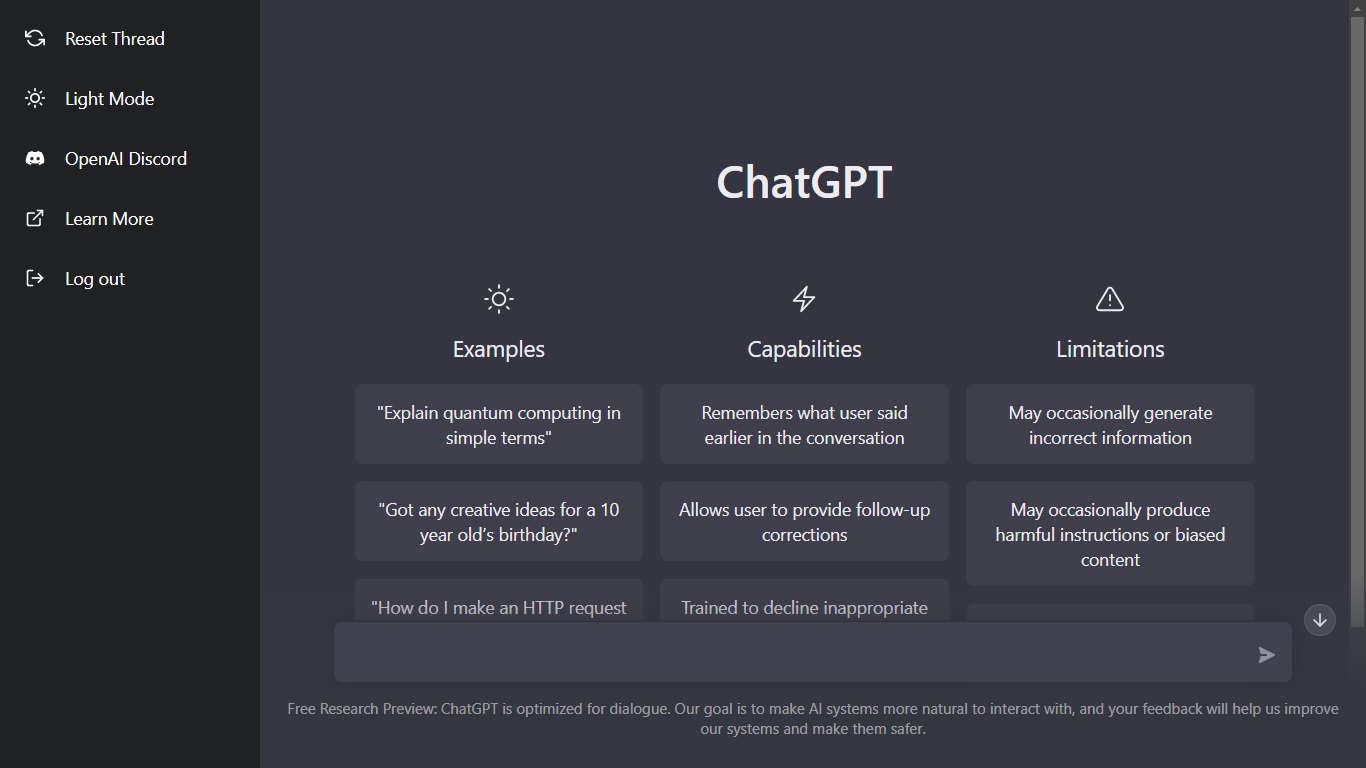 No specific date has been announced for ChatGPT to be paid. However, OpenAI offers a paid API to access advanced language processing power. If you are interested in using this API, you should contact OpenAI for more information on pricing and terms of use.
 Interview with the robot developed by Open AI, specialized in dialogue
 Chat GPT, the chatbot developed by the Californian start-up Open AI, is proving, as its skills are revealed, to be a formidable tool of efficiency for better and for worse.
 The OpenAI chatbot, which fascinated many Internet users at the end of the year, turned out to be perfectly annoying. In this column, Xavier de La Porte slips into the shoes of an anthropologist exploring our digital life from a very distant future.
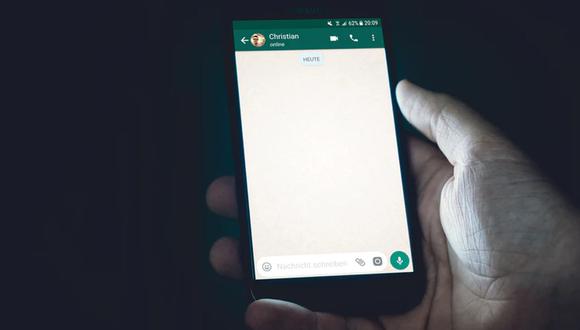 In a context where Facebook is rebranding itself as Meta, WhatsApp has added a new way for users not to get caught up in the conversation. As part of the company’s vision to unify the experience across all of its apps, Meta-owned WhatsApp could now allow users to reply to messages with emojis, like on Instagram and Facebook Messenger.
 The American giant has made further concessions to the British antitrust. It wants to ensure that its competitors will not be harmed by the scheduled end of third-party cookies in its Chrome browser in 2023.